Hialeah, FL
Live Local Act Exemption Help for Hialeah Rental Properties
We help owners and managers claim the Live Local Act property tax exemption. That means checking eligibility, preparing the FHFC certification request, filing form DR-504AFH with the county, verifying resident income and keeping the exemption in place year after year for properties in Hialeah, Doral and Miami Lakes.
- Eligibility check
- Written document checklist
- Straight answers on savings
- Office, phone or video
What Shapes the Cost of Our Work
No two properties need the same amount of work. A clean, newer property with current income files takes far less time than one with years of incomplete records. Here is what changes the scope.
After a free Live Local review by phone, we give you a written estimate of our fee based on what we found. You decide before any work begins.
- Number of properties and units
- A single 80-unit building is a different job from a portfolio. More units means more income files to review and more rent figures to check against the limits.
- Condition of your records
- Current, signed income certifications move quickly. Missing paperwork or outdated rent rolls add time, because each gap has to be closed before anything is filed.
- First filing or recertification
- A first-year application involves setting up the full file. Recertification is usually lighter once that groundwork is in place.
- Income tiers at the property
- Properties with units set aside at both the 80 percent and 120 percent of area median income levels need two sets of rent and income checks.
- How close the deadline is
- Starting early leaves room for careful review. Work begun close to a filing date takes more concentrated hours.
Live Local Act Services
The exemption rests on a chain of filings, and each one depends on the last. We handle Live Local Act exemption applications, FHFC certification filing and County DR-504AFH filing, then the work that follows: annual recertification, resident income verification and ongoing compliance support. You can bring us in for a single step or for the whole cycle.

Exemption Applications
We assemble the rent rolls, income records and forms a qualifying rental property needs to claim the Live Local Act property tax exemption.
FHFC Certification Filing
We build the unit schedule and supporting records behind your FHFC certification request so the county exemption filing has a solid footing.
DR-504AFH Filing
We assemble and file the county exemption return for your Live Local Act units, with every unit tied back to your certification and rent roll.
Annual Recertification
Yearly FHFC certification and DR-504AFH filing for properties that already hold the Live Local Act exemption, prepared from current rent and resident records.
Resident Income Verification
A unit-by-unit review of resident income files against Miami-Dade limits, so your Live Local Act set-aside count is documented before you file.
Ongoing Compliance Support
Year-round help keeping set-aside units, rent limits, resident files and filing dates in order so each renewal starts from clean records.
Where Our Clients Are
We work with owners of rental properties in Hialeah and neighboring towns, including Hialeah Gardens, Miami Lakes, Miami Springs, Doral, Opa-locka and Country Club. Owners in West Little River, Pinewood, Brownsville and Gladeview work with us too.
- Hialeah
- Doral
- Country Club
- Miami Lakes
- West Little River
- Hialeah Gardens
- Pinewood
- Opa-locka
- Brownsville
- Gladeview
- Miami Springs
Meetings happen at our office or by phone and video, so the location of your property does not limit the help we give.

About Our Practice
Live Local Act Consultant Hialeah works with owners, developers and property managers who set aside rental units for working residents and want the tax relief the law allows. Our focus is narrow on purpose. We do this one kind of work, and we do it with care.
We believe a good filing is a well-documented one. That means checking each figure, keeping the file tidy and being clear about what we can and cannot control. The property appraiser makes the final decision, and our job is to give them a complete, accurate application to decide on.
How an Engagement Runs
Most clients go through the same four stages, whether we are handling a first application or a renewal.
- 1
Review by phone
We talk through the property, its unit count, rents and who lives there. You leave the call knowing whether it is worth pursuing.
- 2
Document checklist and file review
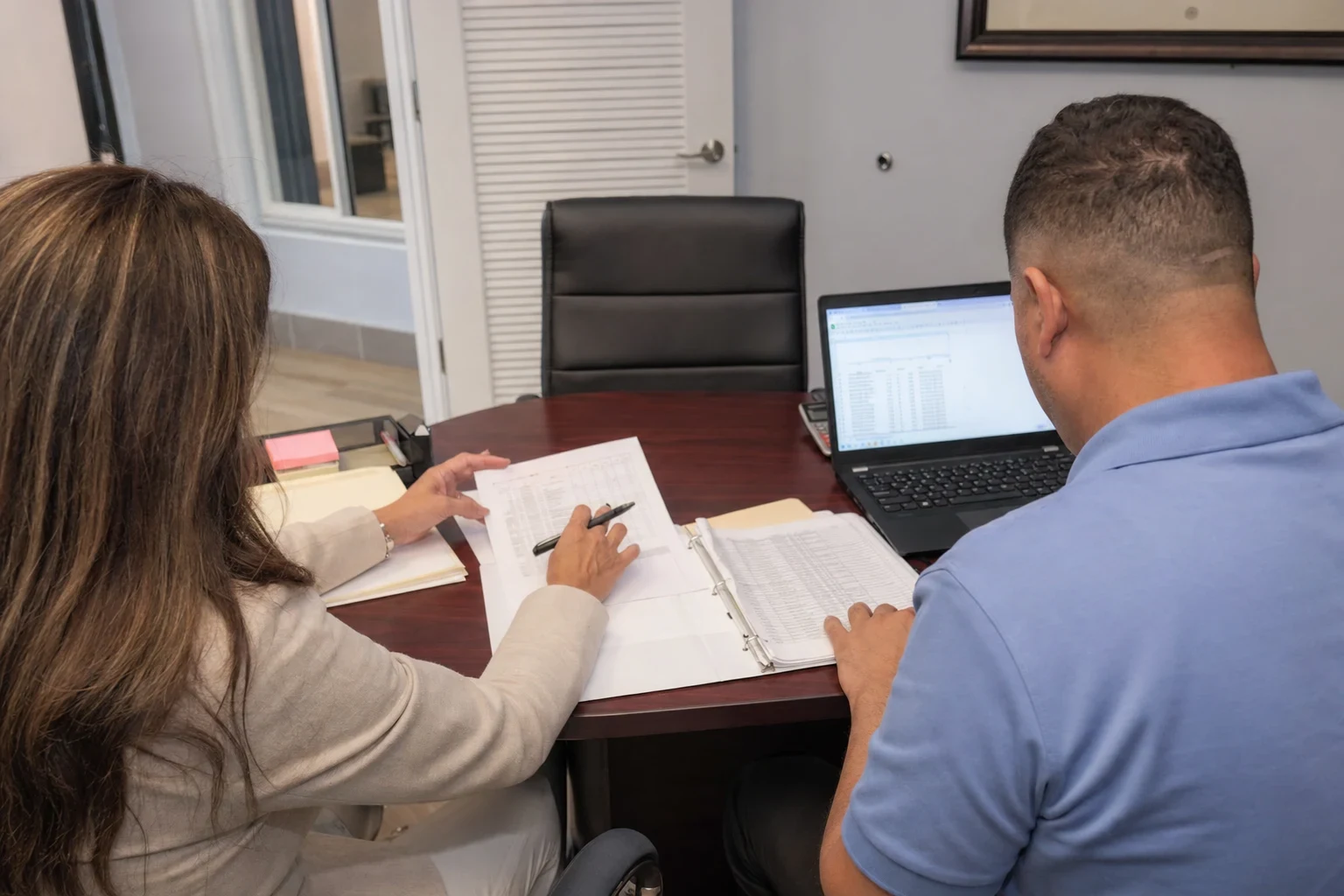
We send a written list of what we need, then review every rent roll and income file. Anything missing is flagged with a note on how to resolve it.
- 3
Certification and county filing
We prepare the certification request to Florida Housing Finance Corporation, then the DR-504AFH for the Miami-Dade County Property Appraiser, with copies of everything for your records.
- 4
Follow-through
We track responses, answer questions from either office and set reminders for next year's recertification.
Questions Owners Ask
Will my property qualify for the Live Local Act exemption?
In general the exemption covers properties with more than 70 affordable units rented to residents at or below 80 percent or 120 percent of area median income, with rents kept inside published limits. The specifics count, so we review your real unit mix and rent roll. Our free eligibility check gives you a clear answer before you spend a dollar.
Will you guarantee approval of the exemption?
No. Florida Housing Finance Corporation certifies the property, and the county property appraiser decides on the exemption. Our part is making sure your application is complete, correct and backed by documents, which is what reviewers want to see.
What might the property save?
That turns on how many units qualify, each unit's income tier and the property's assessed value. Our free savings estimate shows you the math step by step so the figure makes sense. It is an estimate, not a promise.
Which deadlines matter most?
Florida Housing Finance Corporation certification comes first, and the DR-504AFH must reach the county property appraiser by March 1. The exemption needs renewing each year. We plan our work well before those dates.
Which documents should I gather?
Typically a current rent roll, resident income certifications, lease records and basic details about the property. After our first call we send a written checklist so you know exactly what to pull.
Do we have to meet face to face?
No. Plenty of clients choose phone and video, and it suits this kind of filing. If you would like to sit down and review the file together, our office is open to you.
We filed before. Do you handle recertification?
Yes. Much of our work is annual recertification, and resident income verification usually goes along with it. We go over last year's file, bring the changes up to date and file on time.
What Owners Get From Us
We keep it straightforward: we document what qualifies, explain every stage in plain language and never promise a result the property appraiser has not yet reached.
A straight eligibility answer up front
We check your unit count, set-aside units and rents against the statute before anything is filed. If the property falls short, or qualifies only in part, you hear it on the first call.
Files put in order before filing
Most applications stumble on rent rolls, income certifications and lease files. We go through them line by line and point out gaps while they can still be fixed.
Savings figures with the math shown
Our free savings estimate lays out how we got the number and which units account for it. The county sets the final exemption, and we are clear about that.
Deadlines tracked on your behalf
The county filing cannot happen until certification is done, and each has fixed dates. We plan back from those dates so your staff is not hurrying in late February.
The same contact throughout
One person handles your file from the first review to the filing. Meet at our office or by phone and video, whichever fits your week.
Find Out Where Your Property Stands
One unhurried conversation shows how your unit mix and rents line up with the statute, and roughly how much tax relief could be on the table. The review costs nothing, and the next step is yours to decide.